
Episode 1: AI in Healthcare
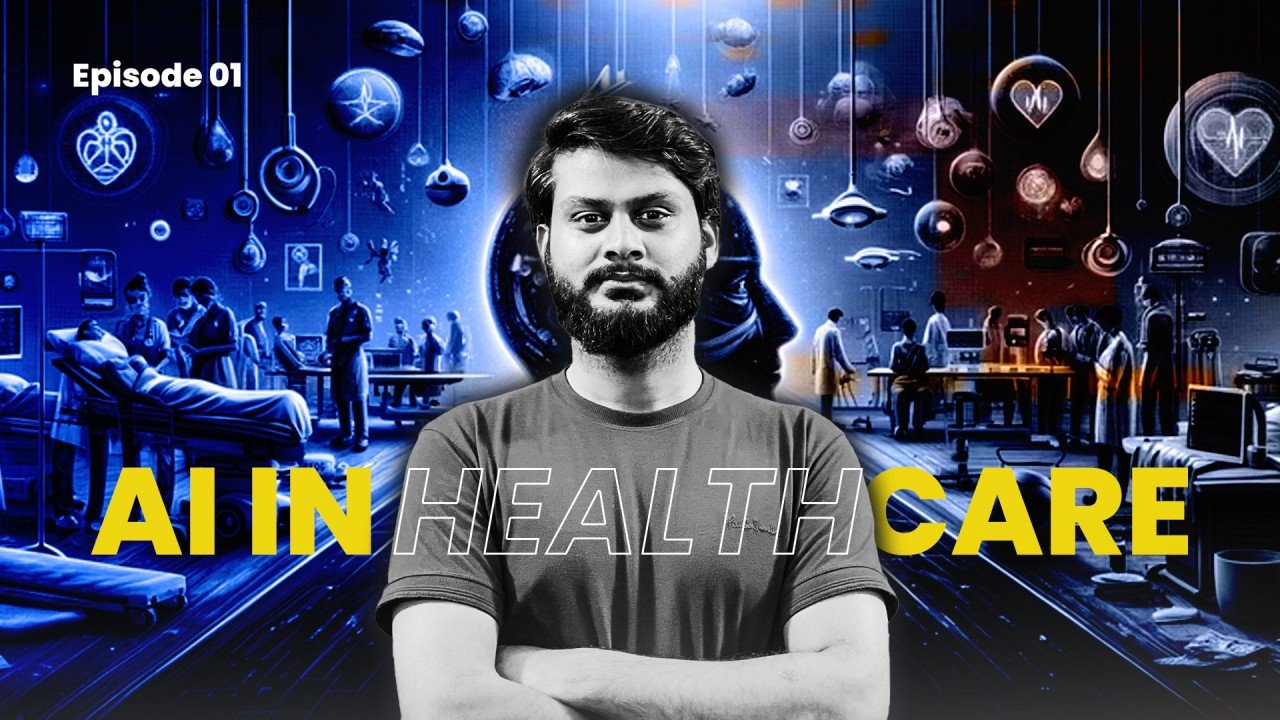
The healthcare industry has long been at the forefront of technological advancements, and the integration of Artificial Intelligence (AI) is heralding a new era of innovation. As AI continues to evolve, its applications in healthcare are becoming increasingly sophisticated, leading to significant improvements in patient care, operational efficiency, and overall healthcare outcomes. In this article, we will delve into the various ways AI is transforming healthcare, the revolutions already underway, and the future possibilities that lie ahead.
The Revolution in Healthcare: How AI is Changing the Game
- Enhanced Diagnostics
One of the most significant advancements in AI for healthcare is its ability to improve diagnostic accuracy. Traditional diagnostic methods often rely on the interpretation of medical images by radiologists, which can be subject to human error. AI algorithms, particularly those utilizing deep learning techniques, have been developed to analyze medical images with remarkable precision.
For example, AI has been used to identify tumors in mammograms and to detect diabetic retinopathy in retinal images. Research has shown that AI systems can match or even surpass human experts in certain diagnostic tasks. This enhanced capability not only leads to earlier detection of diseases but also reduces the burden on healthcare professionals, allowing them to focus on more complex cases.
- Predictive Analytics
Predictive analytics is another transformative application of AI in healthcare. By analyzing vast amounts of historical patient data, AI algorithms can identify patterns and trends that may not be immediately apparent to human practitioners. This capability enables healthcare providers to anticipate patient needs, predict disease outbreaks, and tailor treatment plans to individual patients.
For instance, AI can analyze electronic health records (EHR) to identify patients at risk of developing chronic diseases, allowing for early intervention and preventive care. Hospitals are increasingly leveraging predictive analytics to optimize resource allocation and reduce readmission rates, ultimately improving patient outcomes and lowering costs.
- Personalized Medicine
The concept of personalized medicine, where treatment is tailored to the individual characteristics of each patient, is gaining traction with the help of AI. By analyzing genetic data, lifestyle factors, and clinical history, AI can help healthcare providers develop customized treatment plans that are more effective for specific patient populations.
Pharmacogenomics, the study of how genes affect a person’s response to drugs, is a prime example of personalized medicine in action. AI can analyze genetic profiles to predict how patients will respond to certain medications, allowing clinicians to select the most appropriate therapies for their patients. This approach not only enhances treatment efficacy but also minimizes adverse drug reactions.
- Virtual Health Assistants
AI-powered virtual health assistants are becoming increasingly prevalent in healthcare settings. These digital tools can interact with patients, answering questions, providing health information, and even guiding them through self-diagnosis processes. For example, chatbots can triage patients based on their symptoms, recommend when to seek care, and help with appointment scheduling.
By automating routine inquiries and administrative tasks, virtual health assistants free up valuable time for healthcare professionals, enabling them to focus on direct patient care. This leads to improved patient engagement and satisfaction, as individuals feel more supported in managing their health.
- Drug Discovery and Development
The drug discovery process has traditionally been time-consuming and costly, often taking years or even decades to bring a new drug to market. However, AI is revolutionizing this process by streamlining research and development. AI algorithms can analyze vast datasets, including clinical trial results, scientific literature, and genetic information, to identify potential drug candidates more quickly.
For instance, AI can predict how different compounds will interact with specific biological targets, allowing researchers to focus their efforts on the most promising candidates. This acceleration in drug discovery not only shortens development timelines but also reduces the costs associated with bringing new therapies to market.
- Telemedicine and Remote Monitoring
The rise of telemedicine has been significantly enhanced by AI technologies. Virtual consultations have become more accessible, allowing patients to receive care from the comfort of their homes. AI-powered remote monitoring tools enable healthcare providers to track patients’ health metrics in real-time, facilitating timely interventions for chronic disease management.
For example, wearable devices can collect data on patients’ vital signs, activity levels, and even sleep patterns. AI algorithms can analyze this data to alert healthcare providers to any concerning trends, enabling proactive management of patient health.
- Operational Efficiency
AI is also transforming the operational aspects of healthcare organizations. By automating administrative tasks such as billing, scheduling, and patient record management, AI systems enhance overall operational efficiency. This allows healthcare providers to allocate resources more effectively and improve patient flow within facilities.
AI-powered solutions can also analyze patient wait times and optimize scheduling to reduce bottlenecks in care delivery. This not only enhances the patient experience but also contributes to improved outcomes and resource utilization.
- Clinical Decision Support Systems
Clinical Decision Support Systems (CDSS) powered by AI provide healthcare professionals with evidence-based recommendations at the point of care. By analyzing patient data and current medical guidelines, these systems assist clinicians in making informed decisions, ultimately improving patient safety and treatment outcomes.
For example, an AI-driven CDSS might analyze a patient’s medical history and suggest specific diagnostic tests or treatment options, helping clinicians avoid potential pitfalls and ensure that patients receive the best possible care.
- Robotic Surgery
The integration of AI in robotic surgery is transforming surgical procedures, enabling greater precision and control. AI-assisted robotic systems can analyze real-time data during surgery, providing surgeons with enhanced visualization and capabilities. This advancement leads to minimally invasive procedures, shorter recovery times, and improved patient outcomes.
- Future Prospects
As we look to the future, the potential of AI in healthcare is vast. Here are some areas where we can expect further advancements:
- Augmented Reality (AR) and Virtual Reality (VR): These technologies will enhance medical training and patient rehabilitation, providing immersive experiences that improve learning outcomes and recovery processes.
- AI-Driven Population Health Management: AI will play a crucial role in analyzing health trends across populations, allowing for targeted interventions and improved public health strategies.
- Integration of AI with Internet of Medical Things (IoMT): The synergy between AI and IoMT will enable continuous monitoring and real-time data analysis, leading to more personalized and responsive care.
- Mental Health Support: AI applications will increasingly provide support for mental health, offering virtual counseling and monitoring emotional well-being through chatbots and mobile applications.
Conclusion
AI is undeniably reshaping the healthcare landscape, offering revolutionary tools and solutions that enhance patient care and operational efficiency. As we embrace these advancements, it is essential to ensure that ethical considerations and patient privacy remain at the forefront of AI integration. The journey of AI in healthcare is just beginning, and its future holds the promise of even greater innovations that will ultimately improve health outcomes for individuals and communities worldwide.